
The Psychology and Politics of Othering
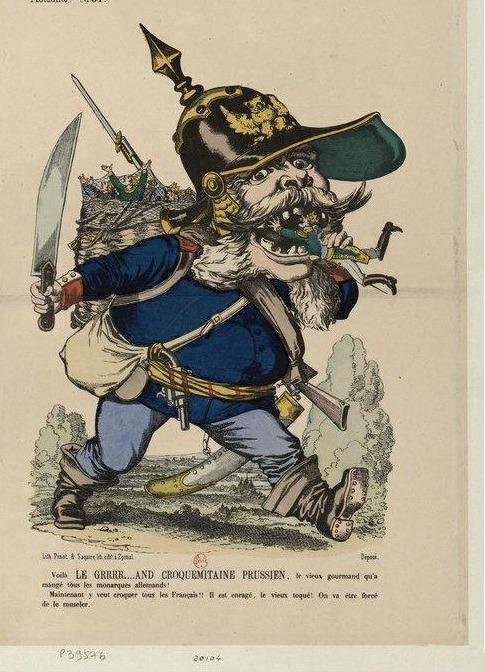
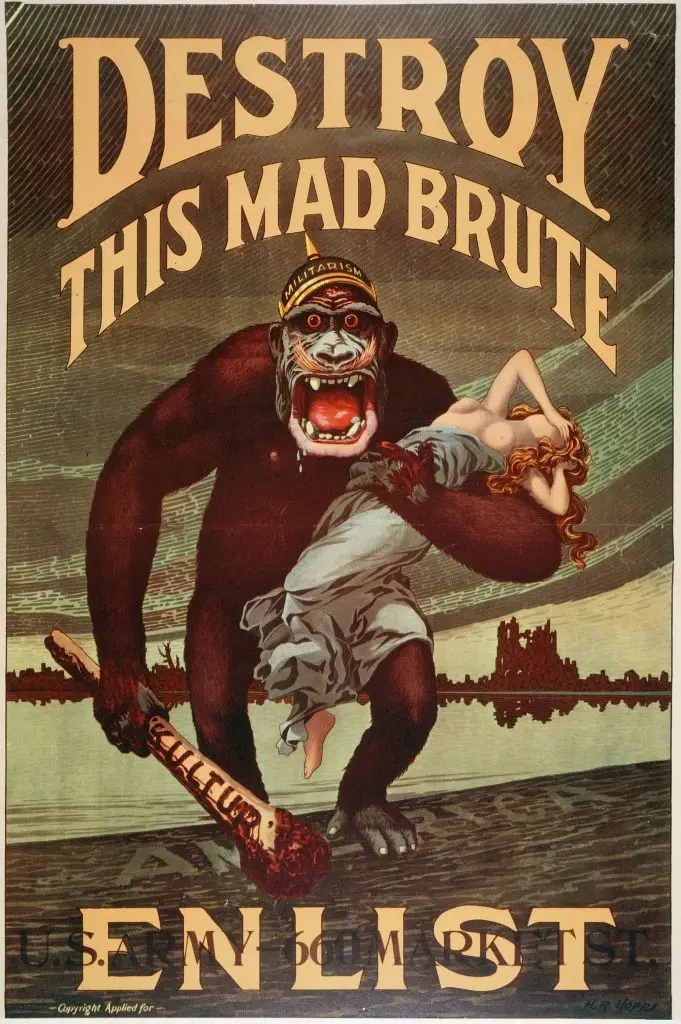
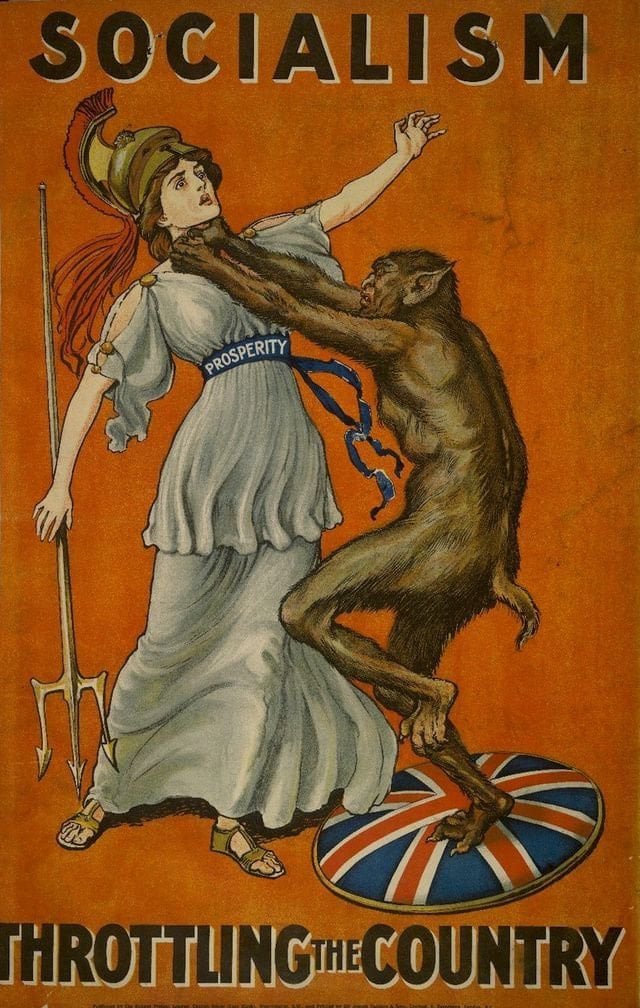
Enemy images are powerful psychological and social constructs that transform complex individuals or groups into simplified, threatening caricatures. These distorted representations serve various political, social, and psychological functions while causing significant harm to social cohesion. By examining how enemy images form, operate, and can be dismantled, we can better understand their role in contemporary polarization.
The Construction of Enemy Images
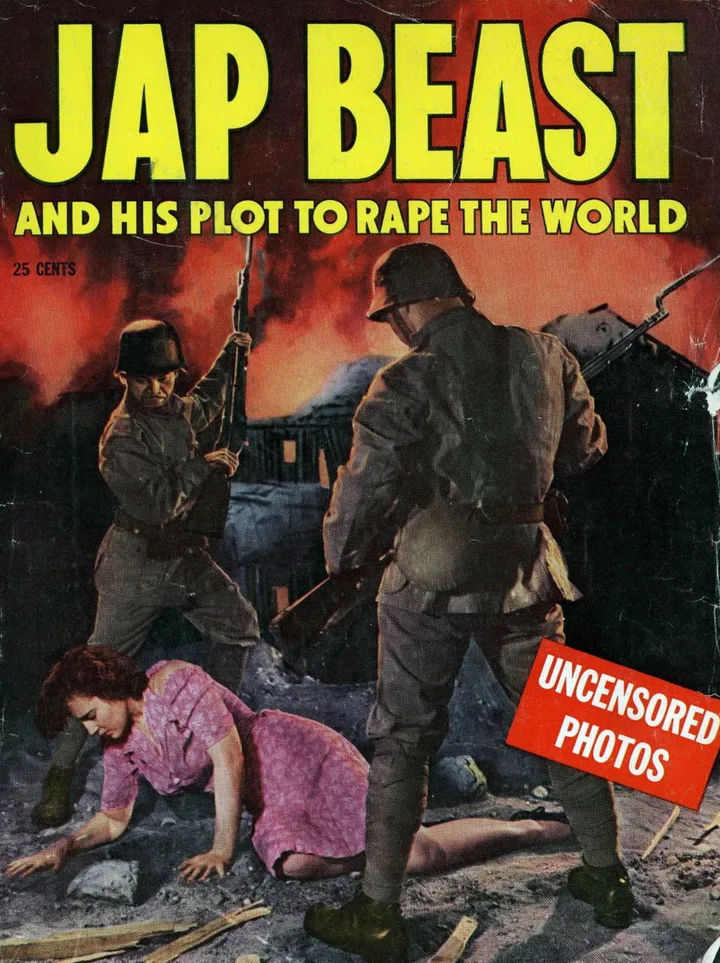
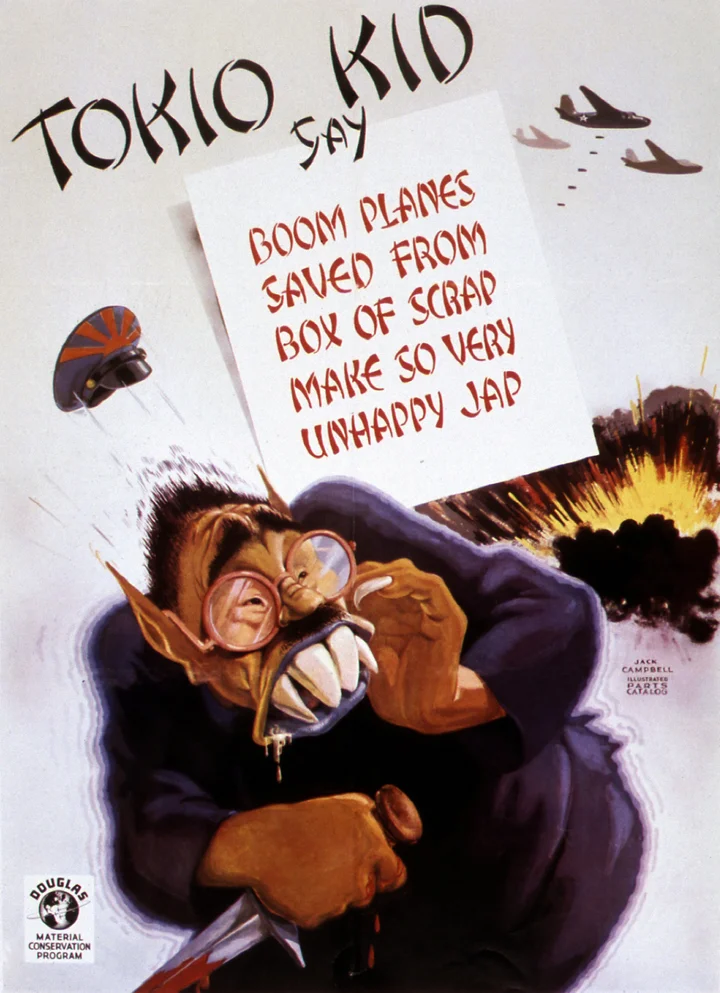
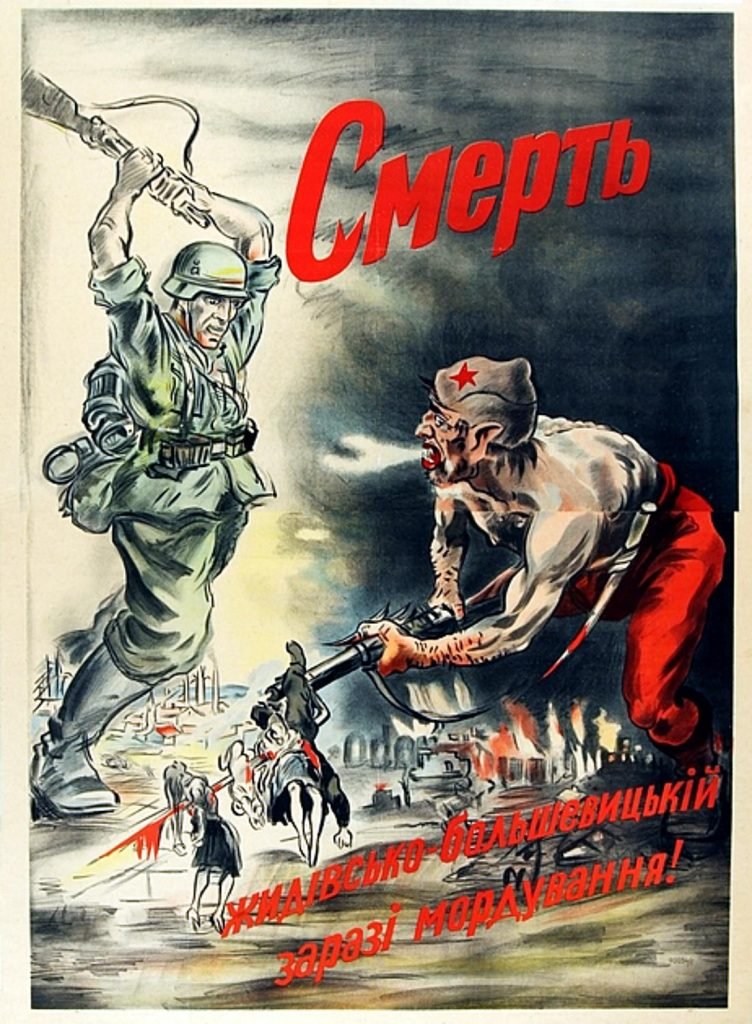
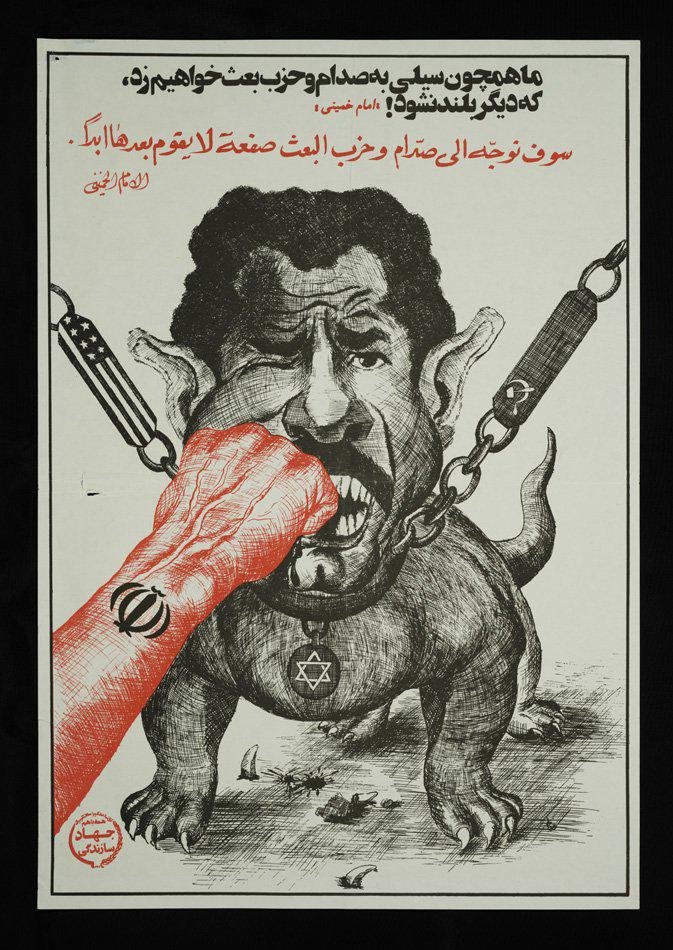
Enemy images develop through a process of psychological simplification, a process that reduces complex human beings to one-dimensional villains defined primarily by their perceived negative traits. This psychological shorthand allows us to categorize others quickly but sacrifices nuance and accuracy.
The formation of enemy images typically involves several cognitive mechanisms. Stereotyping reduces diverse groups to a few exaggerated characteristics. Attribution error leads us to explain others’ negative actions through inherent character flaws rather than situational factors. Confirmation bias ensures we notice information that supports our negative views while filtering out contradictory evidence.
These psychological tendencies have been extensively documented in research by psychologists like Gordon Allport, whose work on prejudice demonstrated how in-group/out-group dynamics naturally emerge in human societies. Once established, enemy images become self-reinforcing through selective attention and memory processes.
Political Utility of Enemy Images
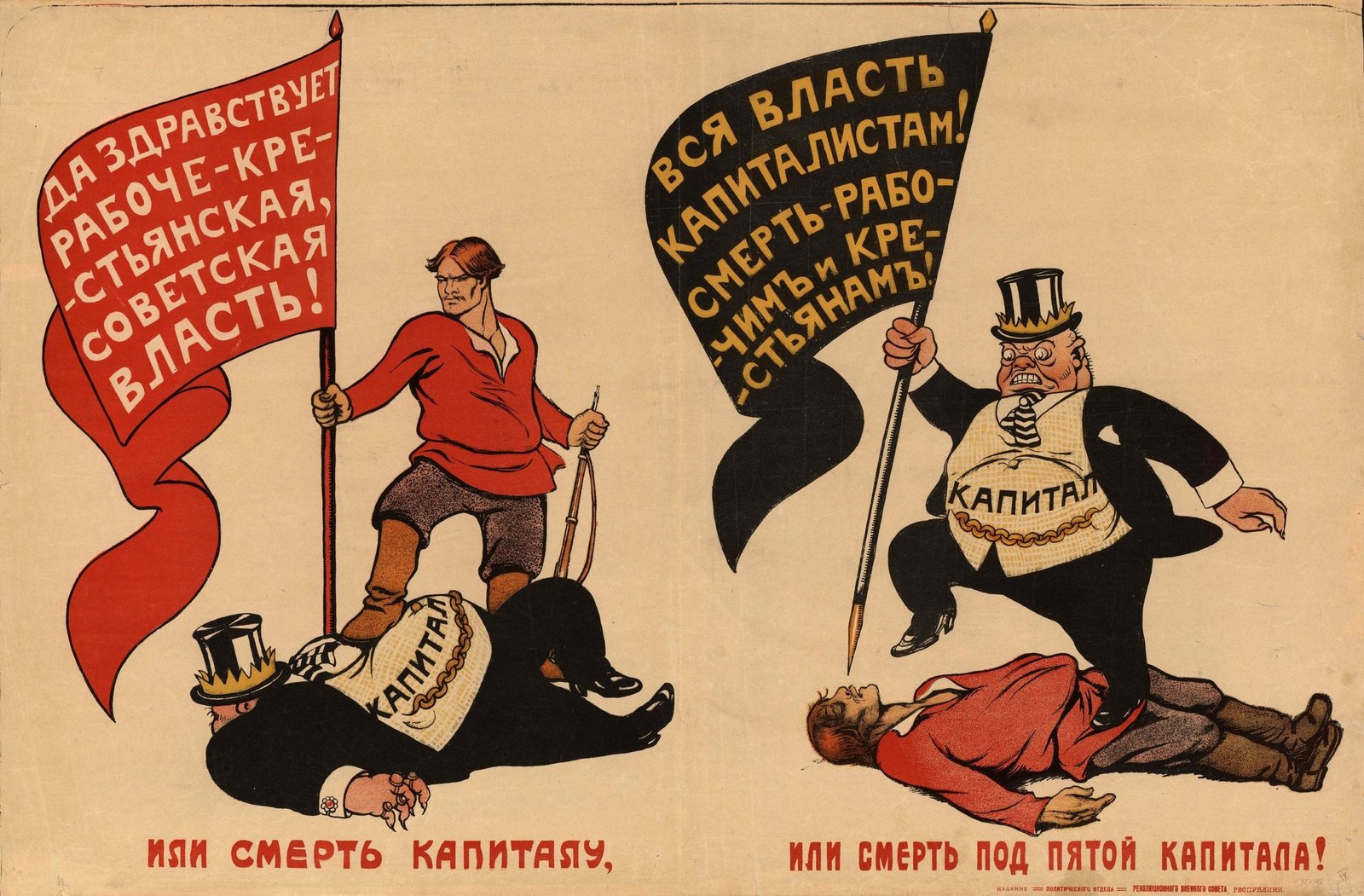
Enemy images are not merely psychological accidents but often deliberate political tools used in polarizing societies. As political theorist Carl Schmitt noted, the friend-enemy distinction is fundamental to political identity formation. By defining who “we” are against “them,” political movements create coherence and mobilize supporters.
Media systems play a crucial role in amplifying and normalizing enemy images. News outlets often frame complex issues as binary conflicts between opposing sides, with one depicted as rational and well-intentioned while the other is portrayed as irrational and malevolent. This framing serves commercial interests by generating emotional engagement while reinforcing existing biases.
Political entrepreneurs exploit these dynamics by crafting narratives that position them as protectors against threatening others. This strategy diverts attention from substantive policy discussions toward identity-based conflicts. As political scientist Lilliana Mason has demonstrated in her research on social sorting, this approach has contributed to the alignment of multiple identities (partisan, religious, racial) into reinforcing political tribes in the United States.
Psychological Functions of Enemy Images
Enemy images offer cognitive shortcuts and emotional relief in a complex, uncertain world. By attributing complex problems to the malevolence of others, they offer, simple, easy to swallow explanations for societal issues and depict clear targets for one’s personal frustration; they provide a reassuring sense of certainty instead of ambiguity and a sense of moral superiority.
Social Consequences of Enemy Images
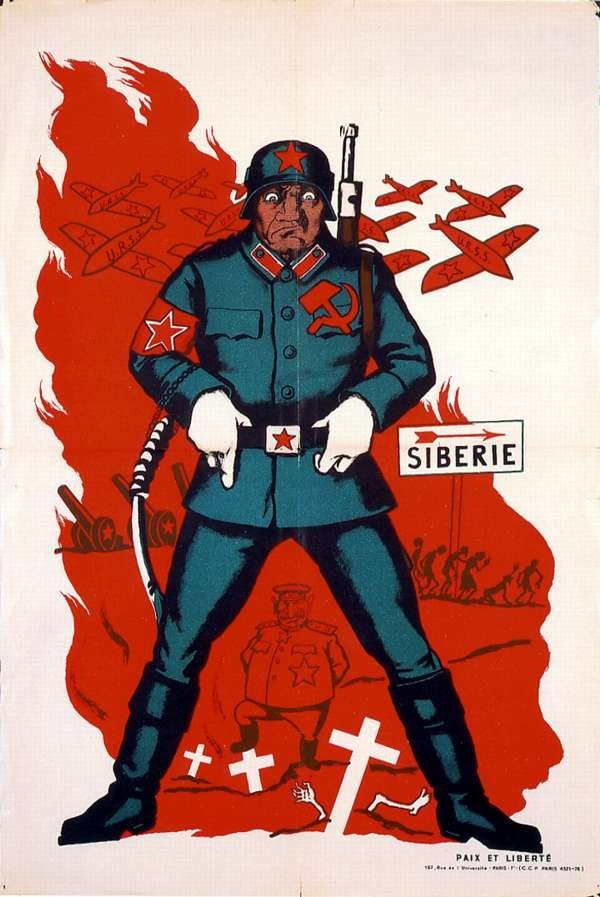
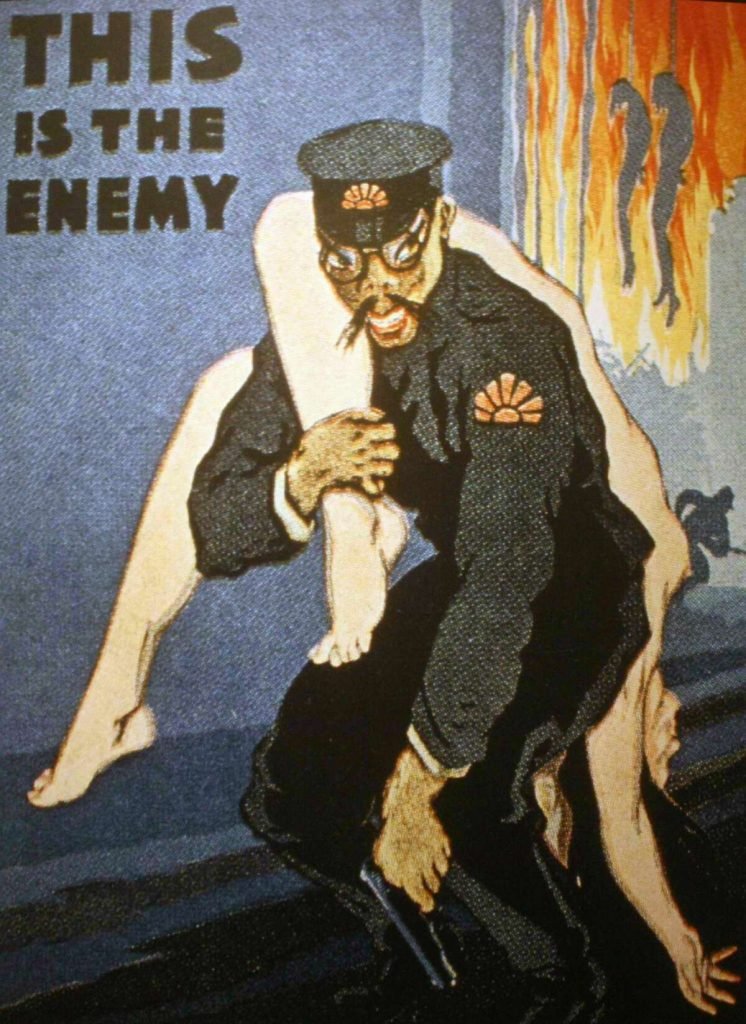
Enemy images, backed by effective propaganda, lead to considerable social and political consequences. They justify discrimination, dehumanization, and in extreme cases, violence against targeted groups. By portraying others as fundamentally different and threatening, enemy images erode the empathy and mutual recognition necessary for democratic deliberation and social coexistence.
The proliferation of enemy images contributes to what sociologists call “affective polarization”, ie the tendency to dislike and distrust members of opposing groups regardless of specific political disagreements, as well as favoring political polarization towards ideological extremes. This emotional polarization makes compromise increasingly difficult and threatens democratic institutions that depend on mutual tolerance, diplomacy, compromise and good-faith negotiation.

Transcending Enemy Images
Overcoming enemy images requires both individual and systemic approaches. On an individual level, practices that humanize the “other”, emphasizing the aspects that unite us, rather those that divide us, and stimulating empathy, can be effective. “Contact theory”, developed by psychologist Gordon Allport and expanded by subsequent researchers, suggests that meaningful interaction across group boundaries under appropriate conditions can reduce prejudice and stereotyping.
Narratives that highlight shared values and common humanity can bridge divides created by enemy images. Research on moral foundations theory by Jonathan Haidt and others suggests that appealing to universal moral intuitions like care, fairness, and loyalty can create common ground across political divides.
Media literacy education helps individuals recognize manipulation attempts that rely on enemy images. By developing critical awareness of framing techniques and emotional appeals in media, individuals can better resist polarizing narratives.
Conclusion
Enemy images represent a fundamental challenge to democratic societies. They simplify complex realities, mobilize political action, and provide psychological comfort, yet simultaneously erode social trust and democratic norms. Understanding the mechanisms behind enemy images is the first step toward transcending them.
The path forward requires individual commitments to complexity and humility, institutional reforms that incentivize balanced representation, and cultural narratives that emphasize shared humanity across difference. By recognizing our common susceptibility to these divisive psychological patterns, we can begin to imagine and create political discourse that acknowledges complexity without sacrificing moral commitment.
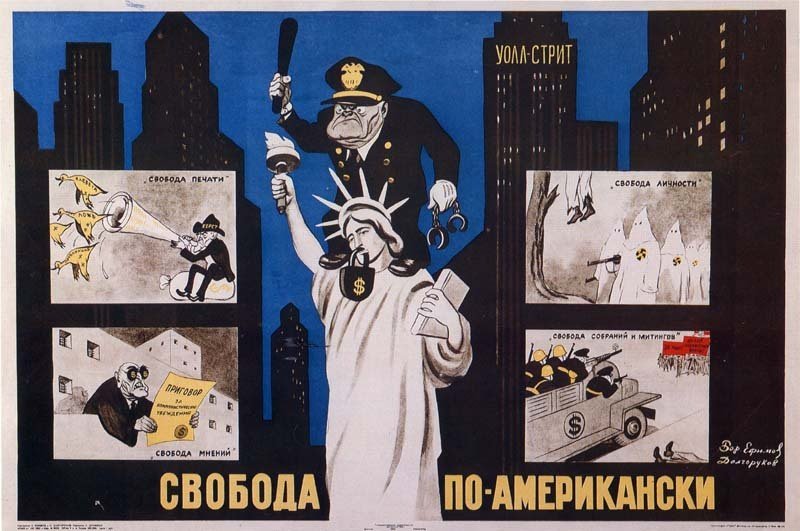
The central responsibility of the mass media regarding the construction rather than the dismantling of enemy images is a key element and the importance of independent and intellectually honest media is greatest in the work of countering propaganda narratives, often promoted by the dominant power, that use polarization as a tool of control and political direction of the masses.
Bibliography
Allport, G. W. (1954). The Nature of Prejudice. Addison-Wesley.
Tim Hjersted, Films for Action (2024). Division by Design: How Enemy Images Are Used in Polarizing Societies.
Haidt, J. (2012). The Righteous Mind: Why Good People Are Divided by Politics and Religion. Pantheon Books.
Mason, L. (2018). Uncivil Agreement: How Politics Became Our Identity. University of Chicago Press.
Pettigrew, T. F., & Tropp, L. R. (2006). A meta-analytic test of intergroup contact theory. Journal of Personality and Social Psychology, 90(5), 751-783.
Ross, L. (1977). The intuitive psychologist and his shortcomings: Distortions in the attribution process. Advances in Experimental Social Psychology, 10, 173-220.
Schmitt, C. (1996). The Concept of the Political (G. Schwab, Trans.). University of Chicago Press. (Original work published 1932)
Tajfel, H., & Turner, J. C. (1979). An integrative theory of intergroup conflict. In W. G. Austin & S. Worchel (Eds.), The Social Psychology of Intergroup Relations (pp. 33-47). Brooks/Cole.