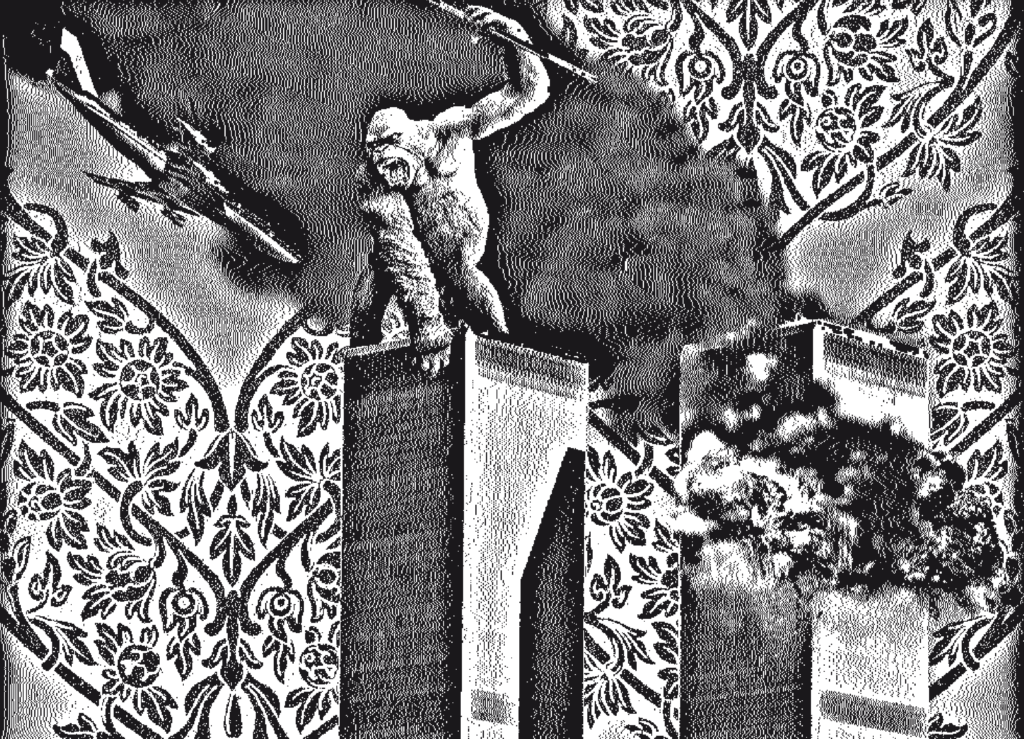
In 2009 Vincent Moro reinterpreted traditional Tarot imagery through fresh, provocative analytical lenses. This series transforms the 22 traditional Major Arcana cards into a provocative mirror of modern society. Moro transformed the classic alchemical symbolism embedded in each card into intellectually demanding and often controversial allegories that reflect the complexities and absurdities of contemporary mass culture.
At its core, the project draws from the Tarot’s rich history: originating as trionfi or tarocchi in mid-15th-century Europe for card games, the deck evolved in the late 18th century into a vehicle for mysticism, thanks to figures like Paul Christian, who formalized the “Major” and “Minor Arcana” distinctions. Since the 1960s, Tarot has proliferated with over 2,000 published decks, reflecting a kaleidoscope of artistic interpretations. Moro’s contribution stands out by bridging this legacy with today’s cultural landscape, recontextualizing alchemical symbolism—dense with figures, emblems, and profound themes of spiritual growth and life transitions—into intellectually rigorous, often controversial narratives that challenge viewers to confront societal norms.
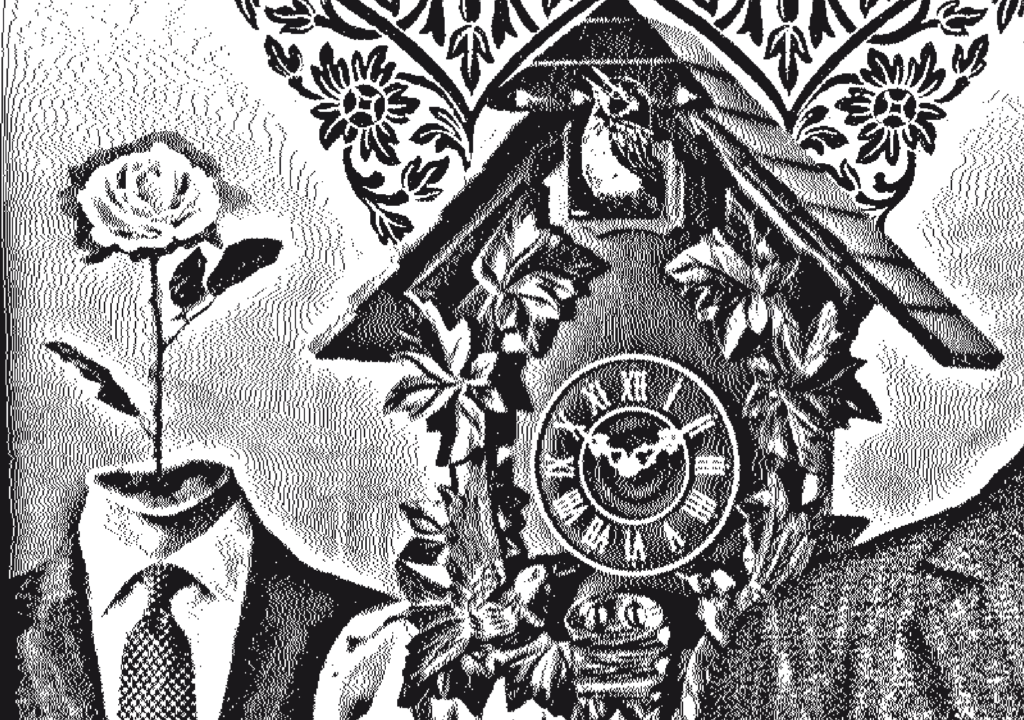
Moro’s aesthetic is a masterful fusion of dark gothic sophistication and irreverent humor, creating visuals that are both brooding and audacious. Each card features symbolic scenes centered on individuals or groups, layered with modern elements such as pop icons, political leaders, and economic power brokers. This satirical integration subverts traditional esoteric meanings, turning the cards into allegories of various aspects of contemporary mass culture—like consumerism, power structures, celebrity and cultural commodification—while preserving their archetypal essence. The result is a deck that demands active engagement, inviting interpretations that resonate with the viewer’s own experiences in a hyper-connected, media-saturated world.
Key features of the project include a limited-edition Tarot deck released in 2010, designed specifically for public readings, alongside large-scale fine art prints that elevate the work into gallery-worthy pieces. These elements underscore Moro’s dual intent: to democratize Tarot as a performative tool while asserting its value as high art. In an age where digital culture often dilutes symbolism, Moro’s Major Arcana revitalizes the form, making it a compelling commentary on the human condition.
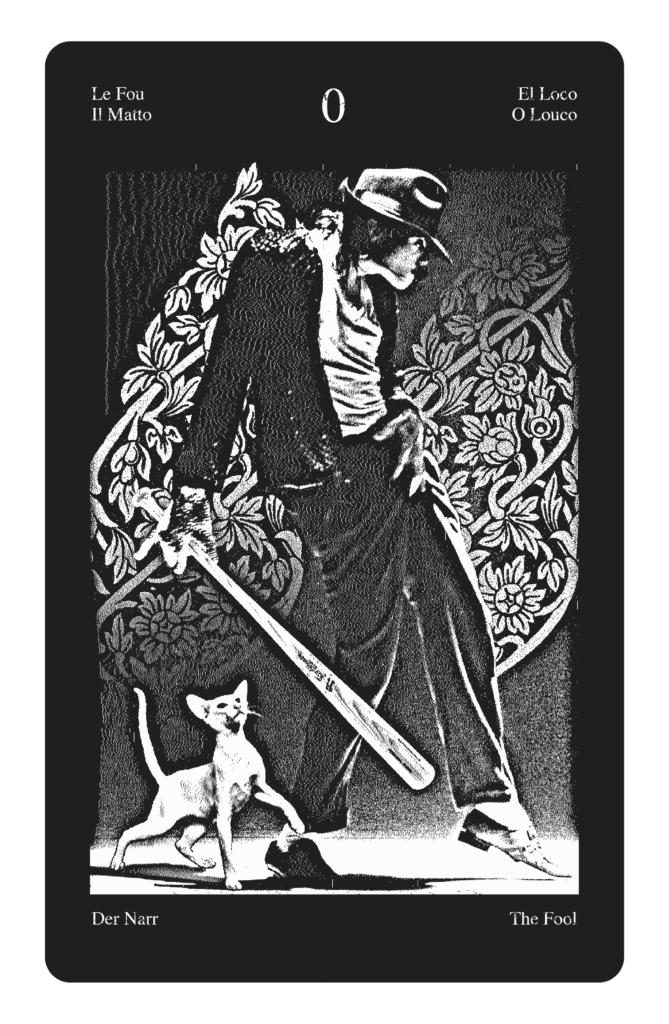
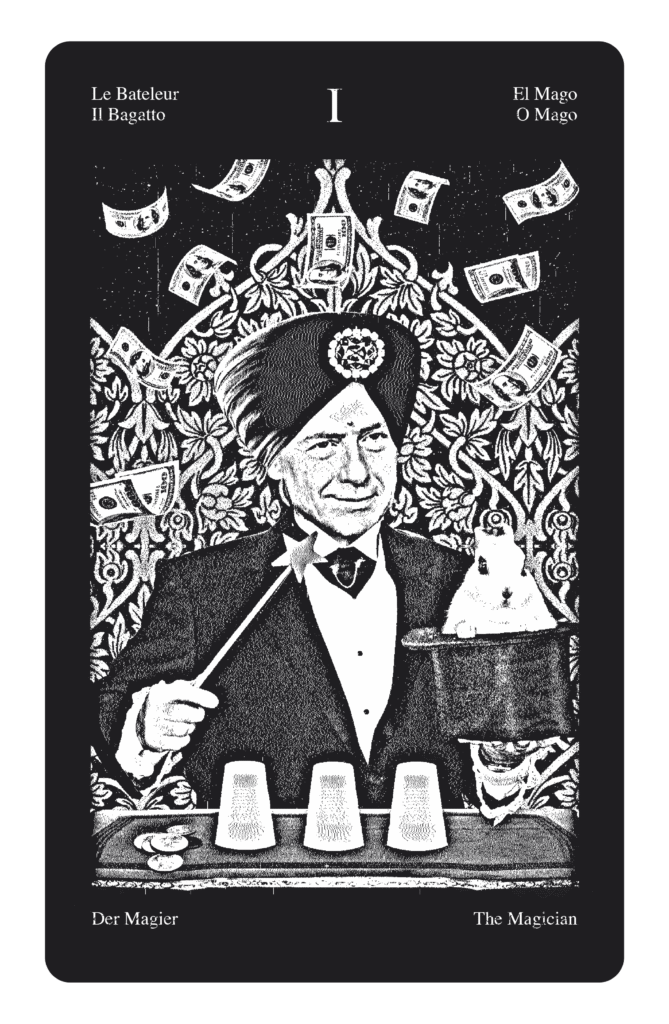
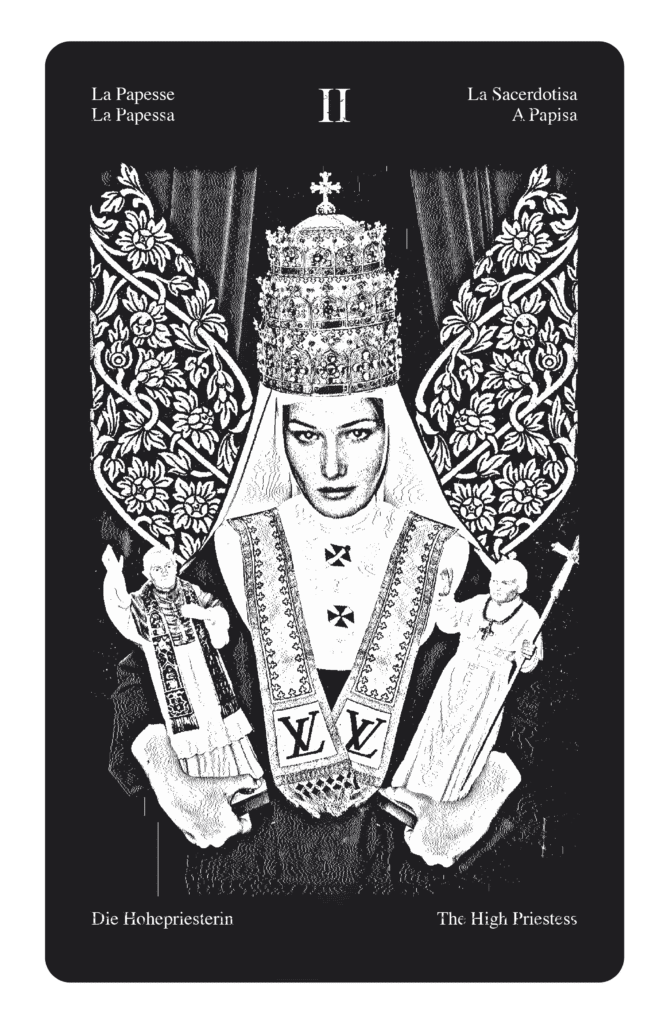
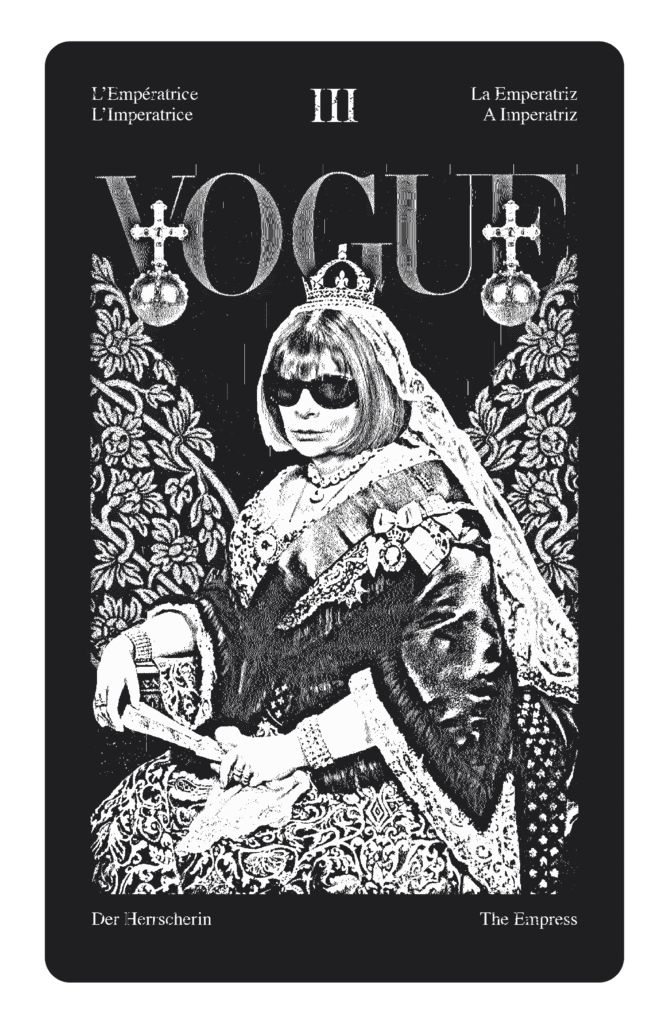
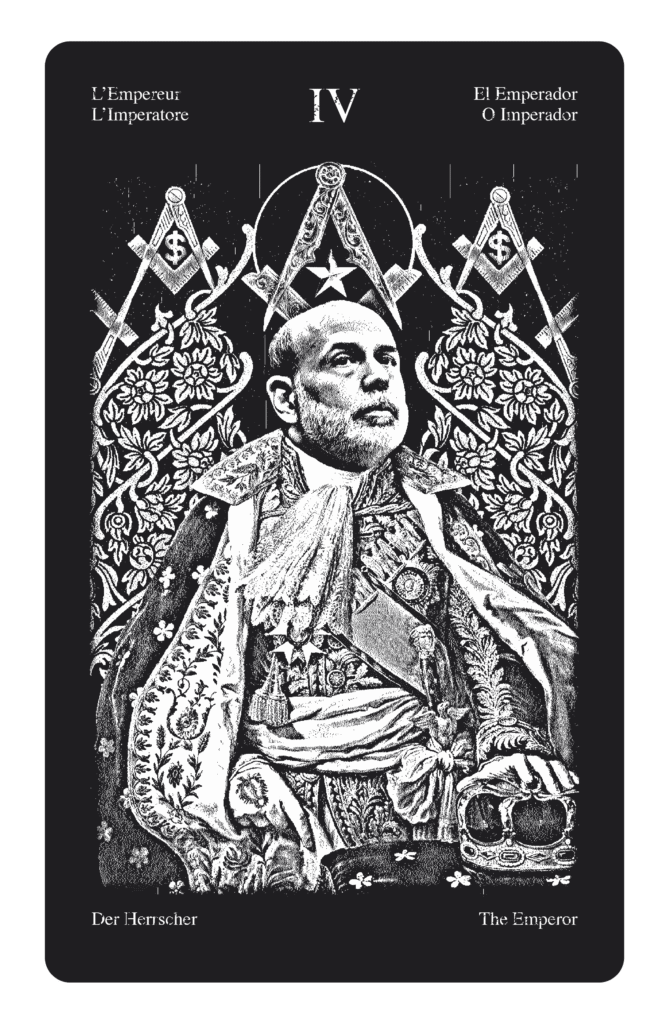
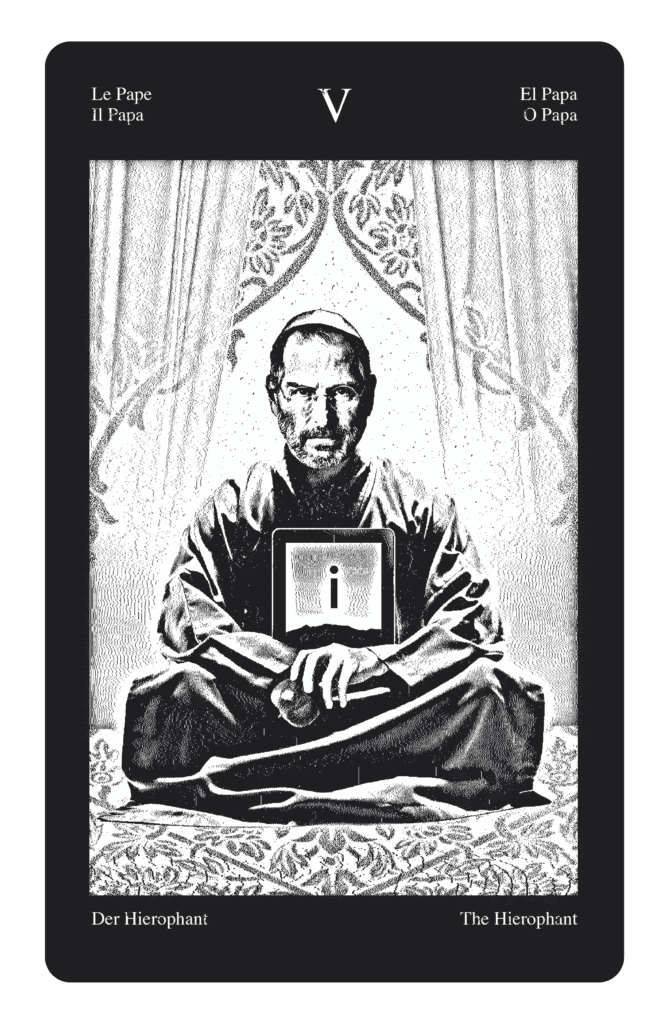
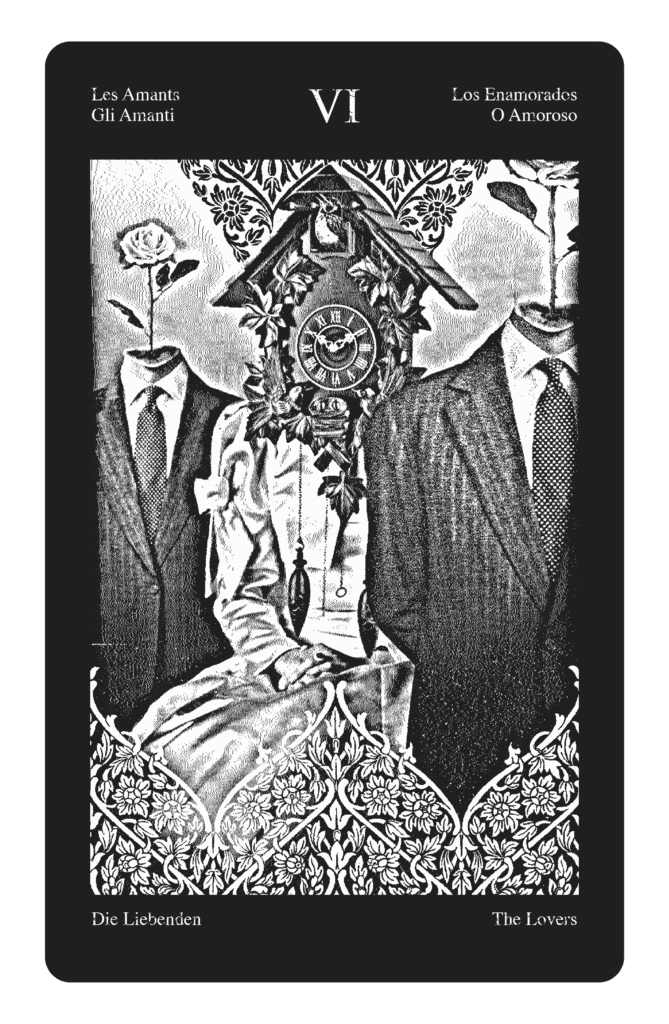
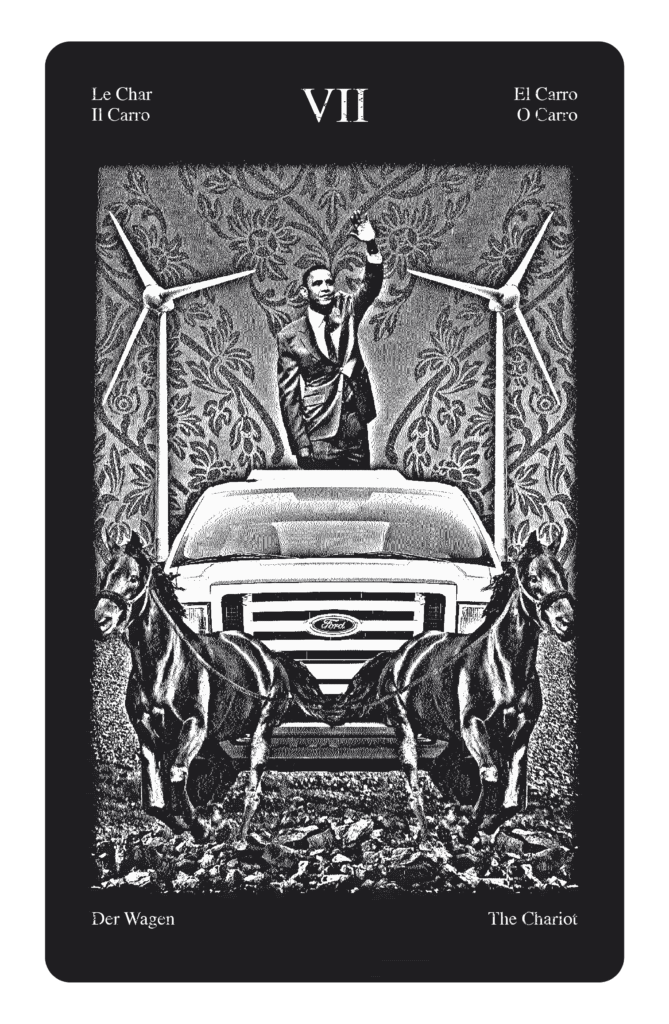
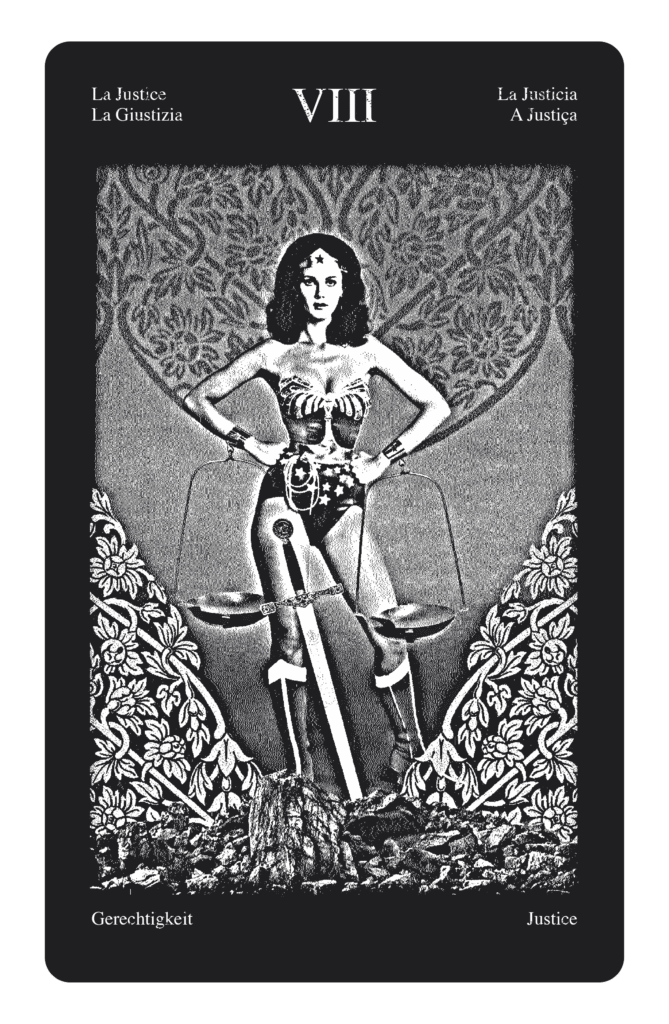
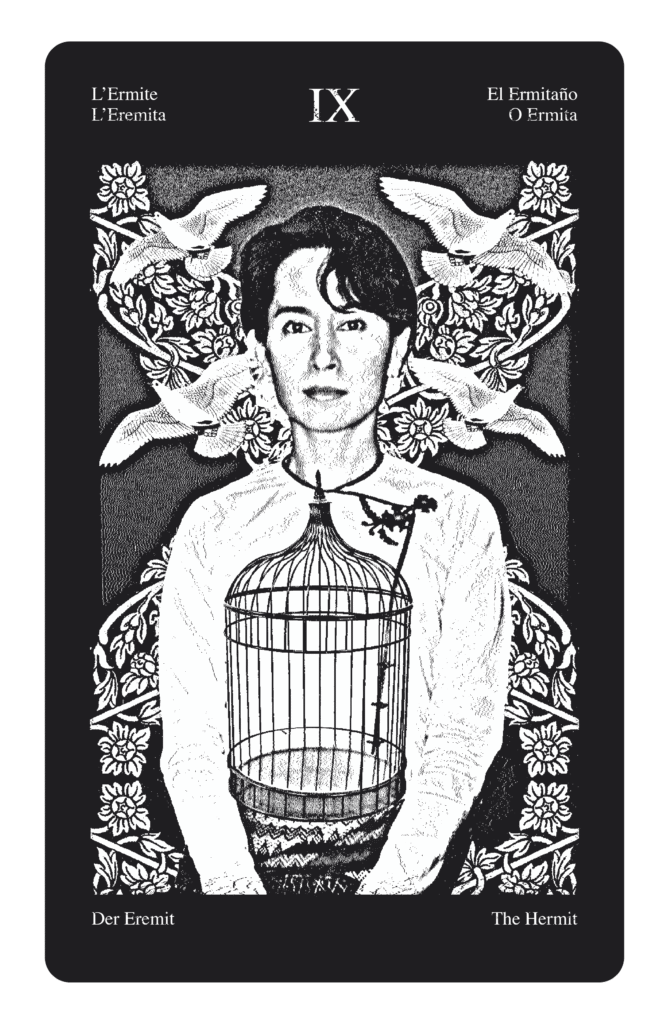
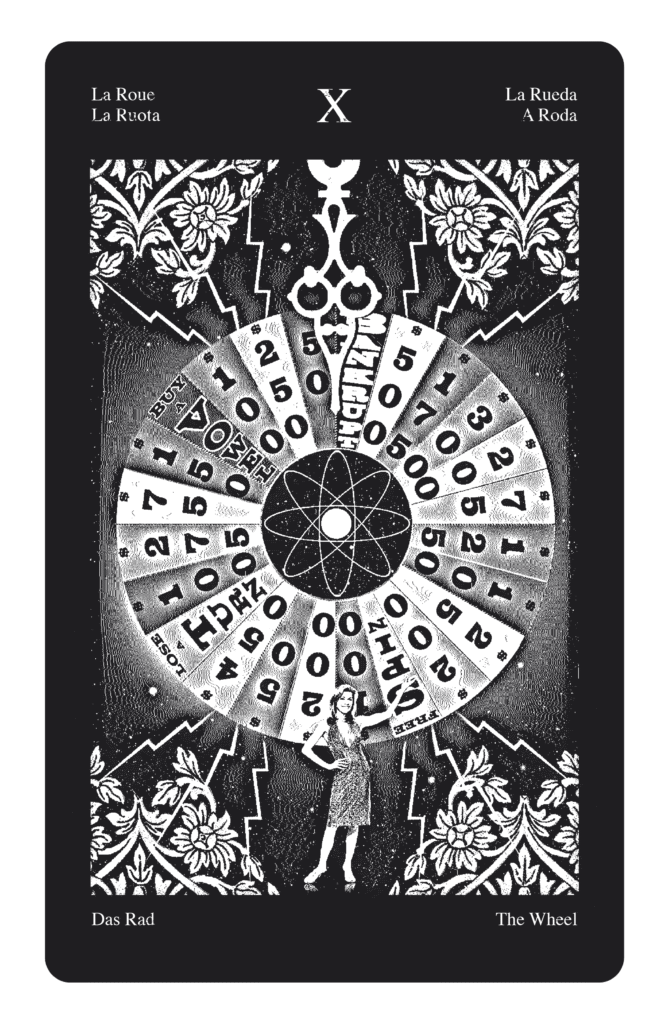
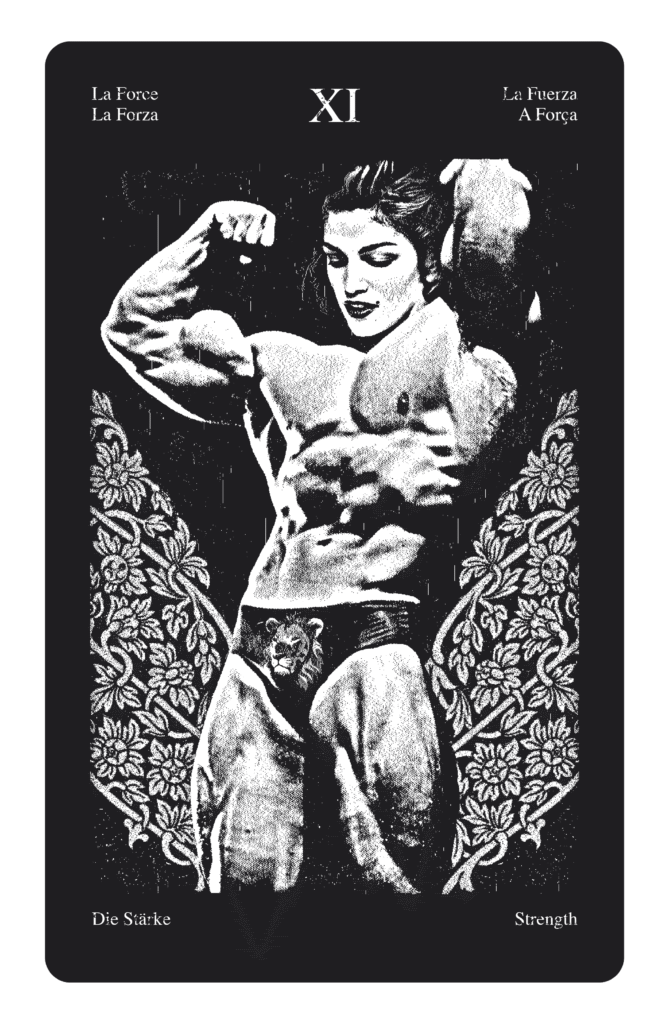
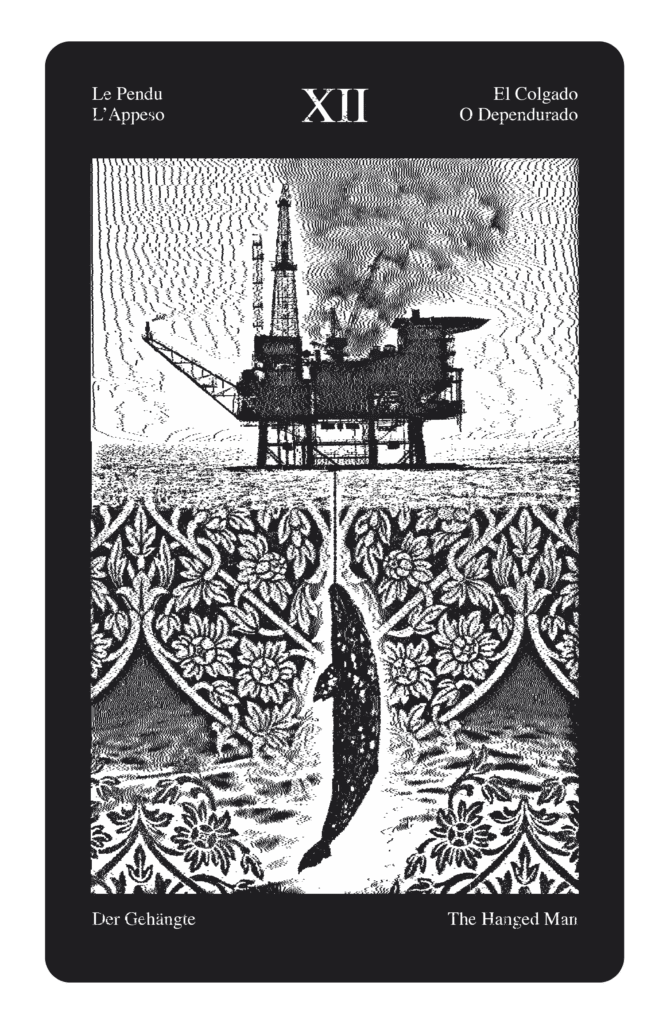
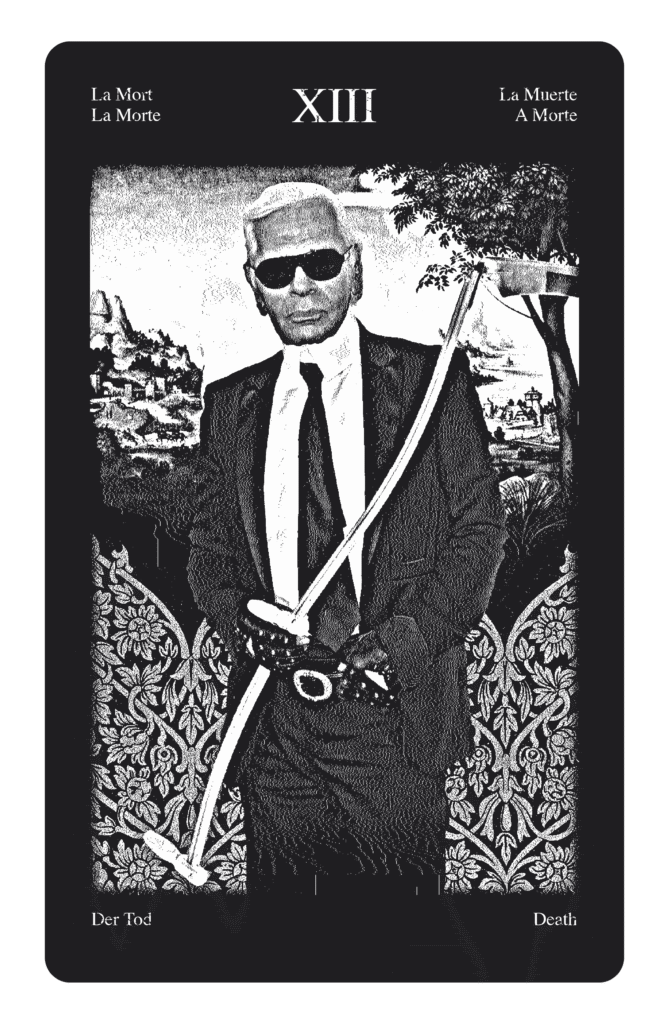
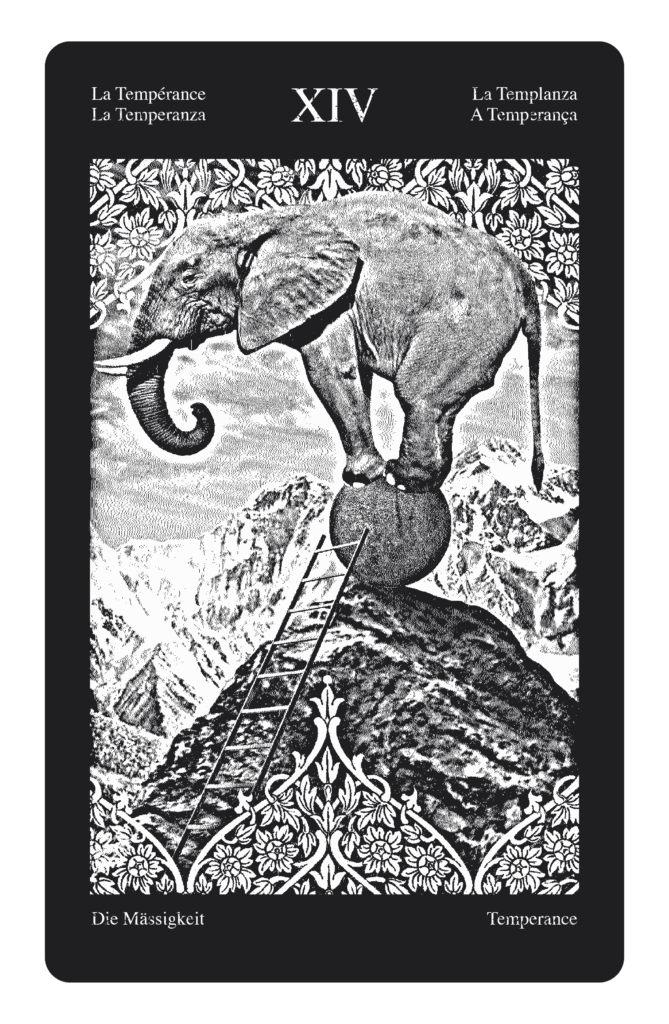
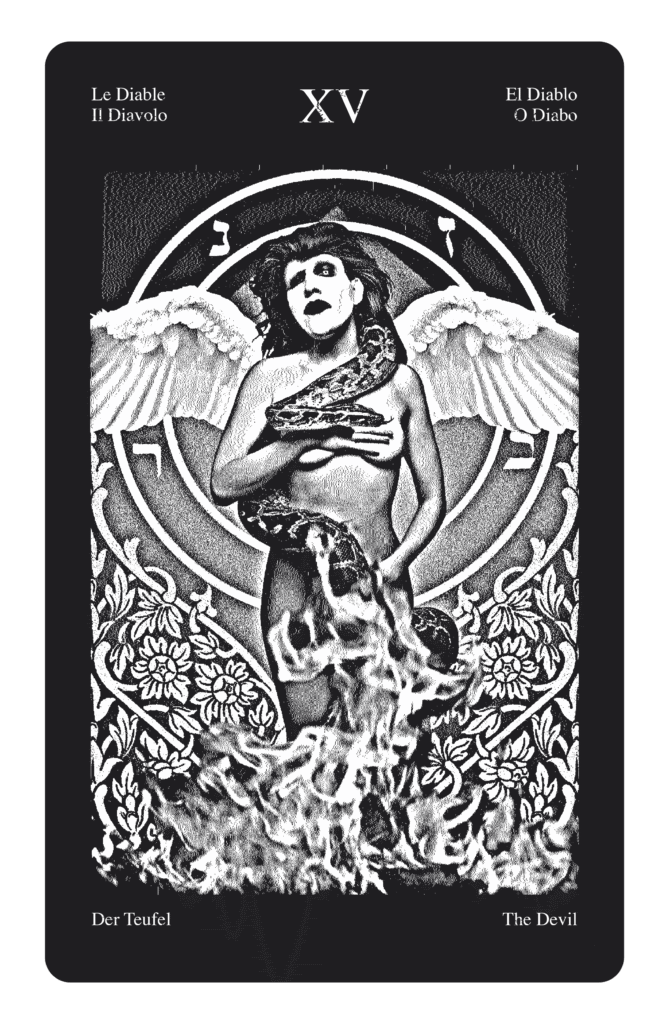
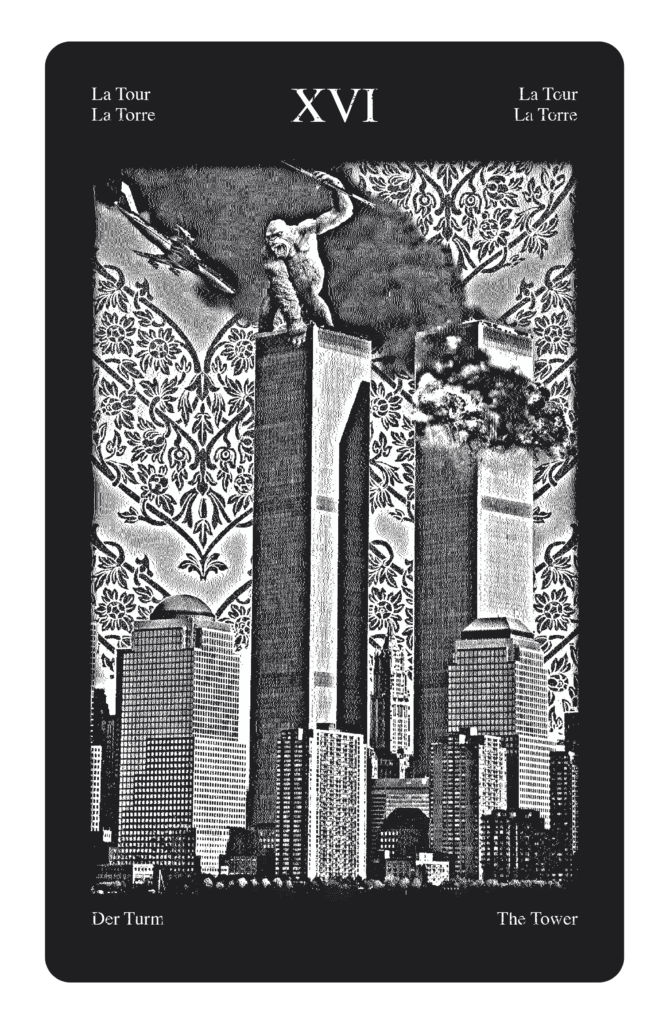
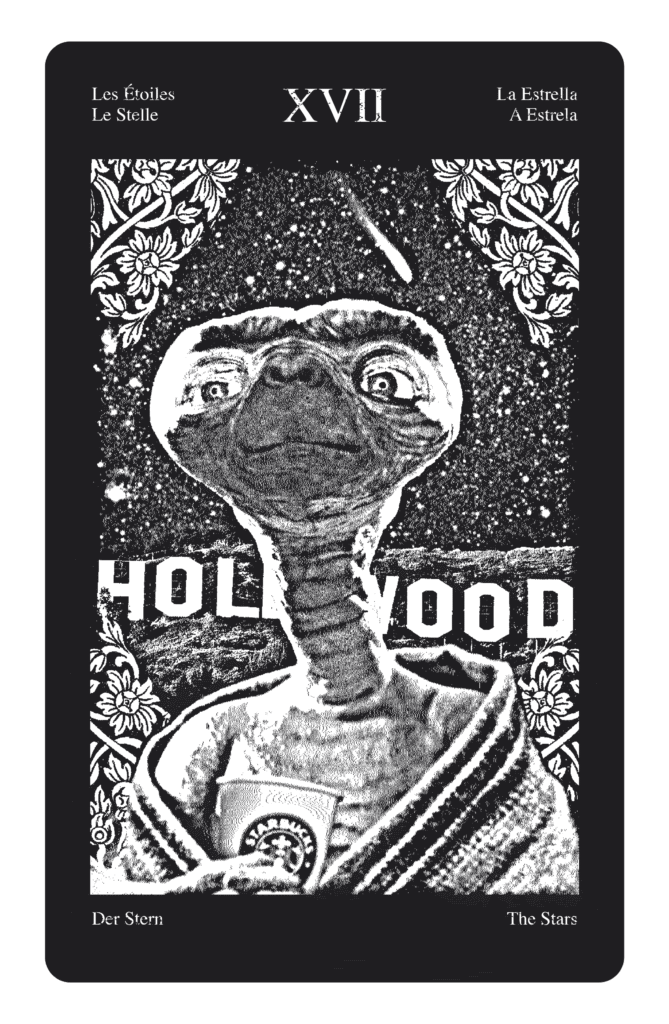
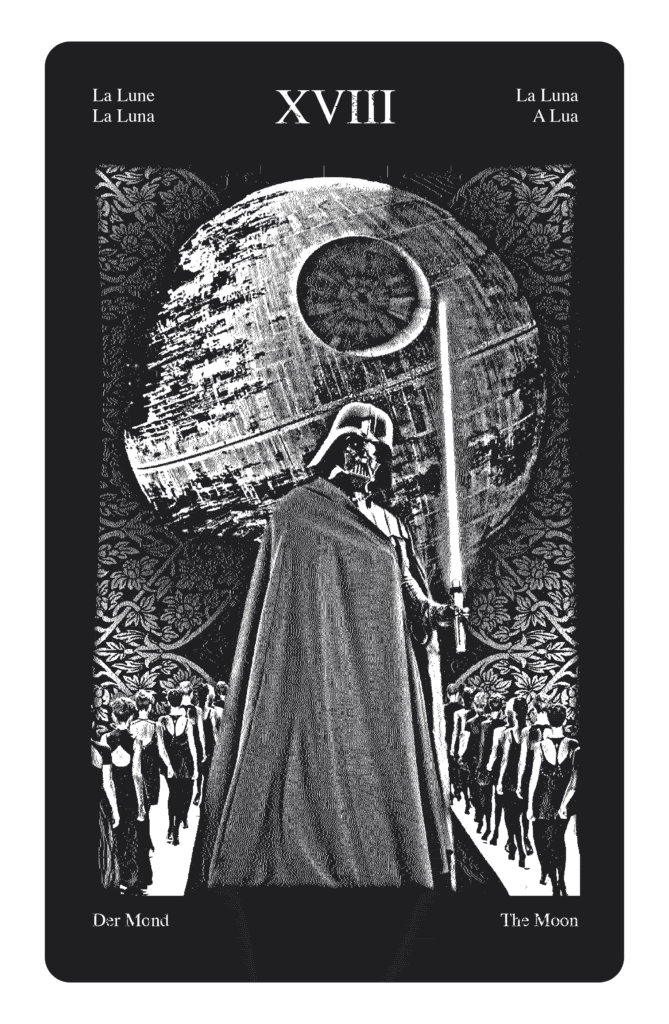
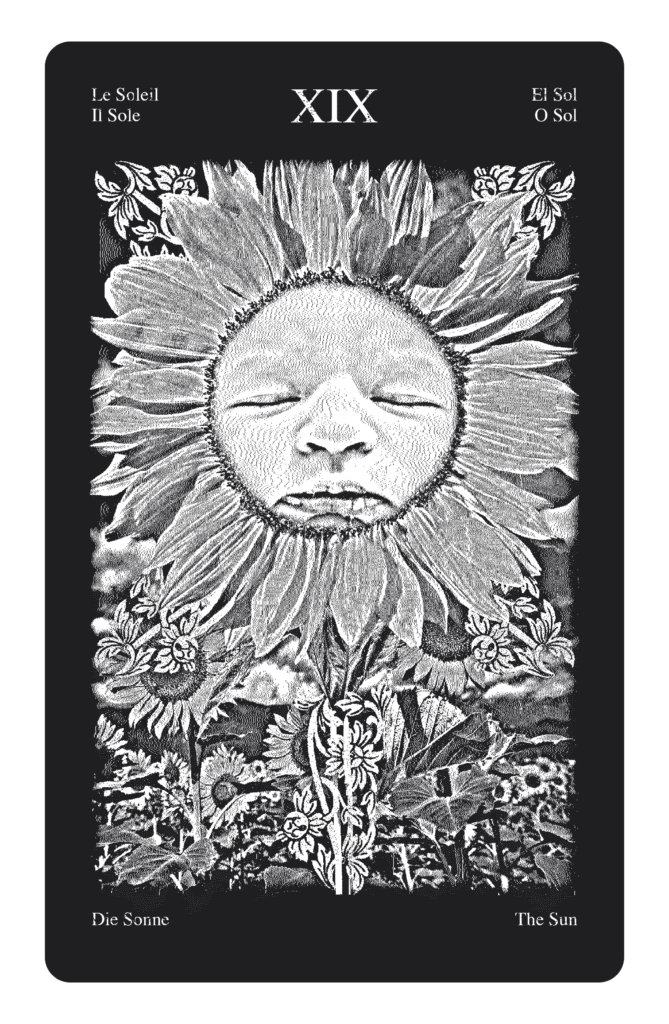
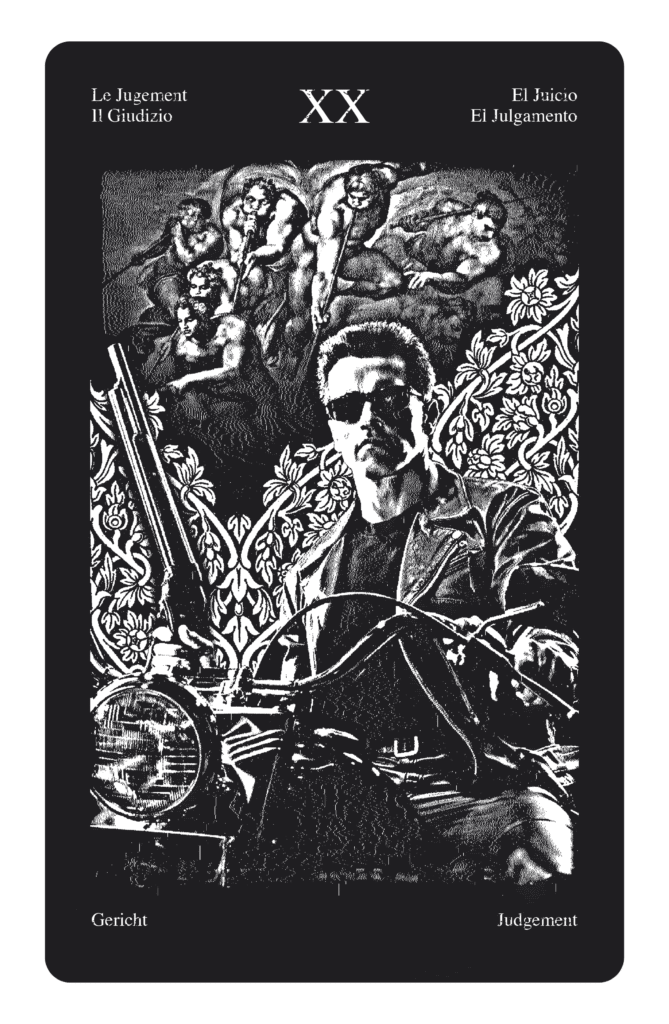
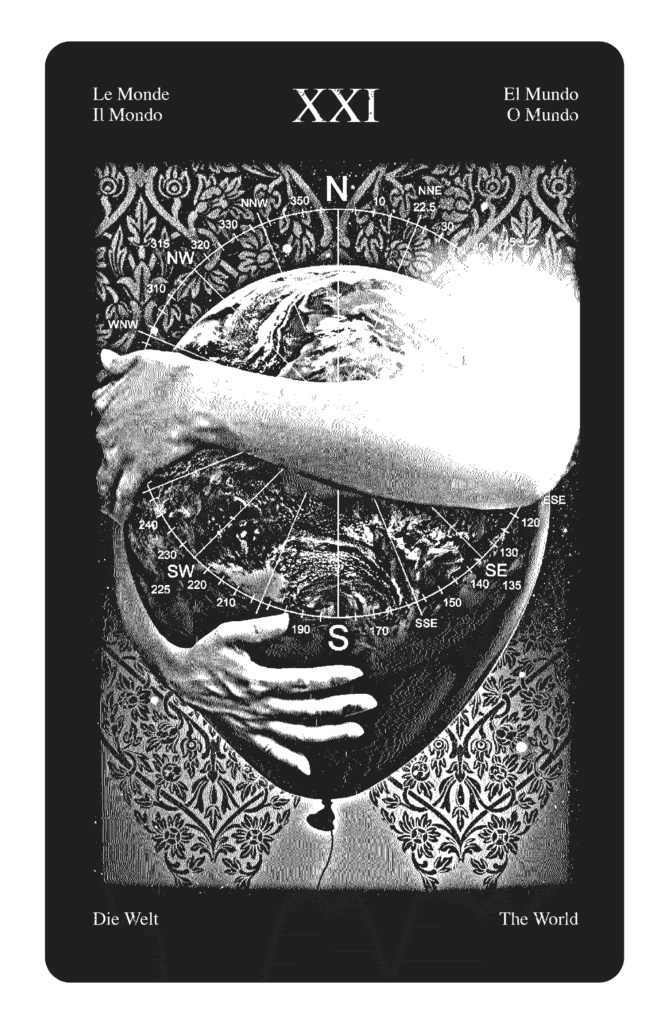
Vincent Moro’s Major Arcana remains a provocative landmark: a Tarot that refuses nostalgia, instead using the deck’s ancient framework to hold a dark mirror that systematically recontextualizes traditional alchemical and archetypal symbolism into satirical allegories through a dark gothic visual language that contrasts sharply with the irreverent, pop-infused content, creating a tension that is both seductive and critical.
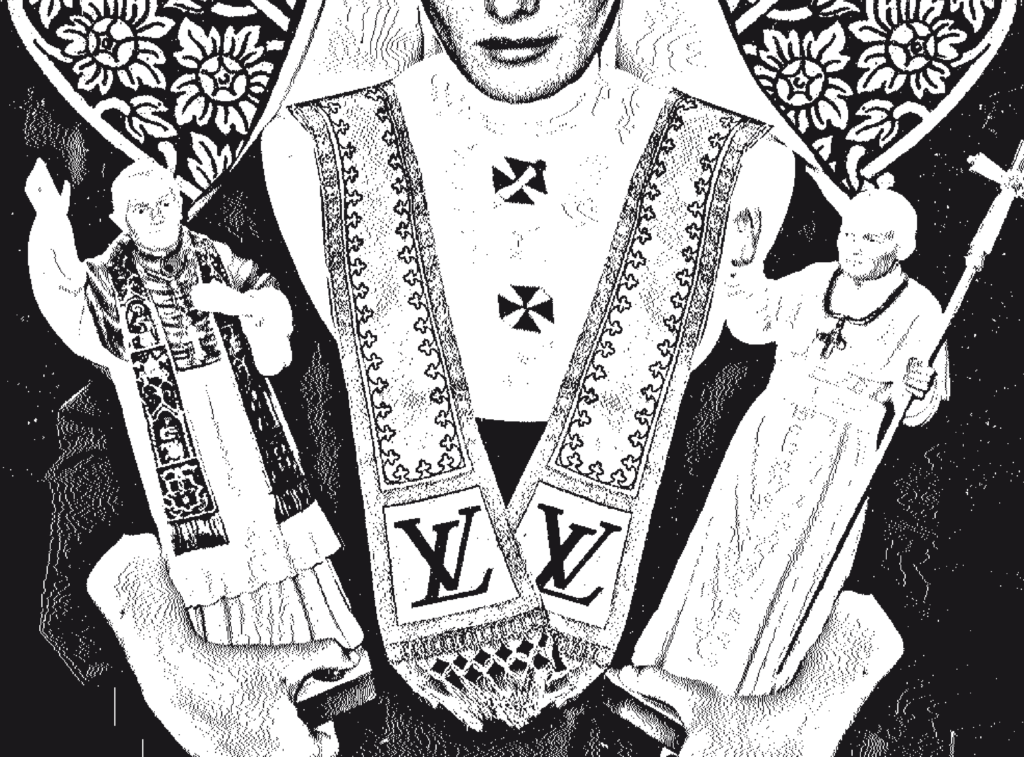
The Major Arcana—also known as the trumps—consist of twenty-two cards within the Tarot deck (originally called trionfi, later tarocchi). They form a permanent trump suit in traditional Tarot card games and stand apart from the four ordinary suits, which are collectively referred to as the Minor Arcana. The terms “Major” and “Minor Arcana” were introduced in the context of occult and divinatory practices and are credited to the 19th-century French occultist Paul Christian.
Each Major Arcanum presents a richly symbolic scene, most often centered on a single figure or a small group of people, surrounded by layers of emblematic imagery. In the majority of decks, the cards carry both a number (typically in Roman numerals) and a title, although some decks include only one or the other, or feature purely pictorial designs without text. The artwork is seldom a literal illustration of the card’s name; instead, it is dense with symbolism that invites deeper interpretation.
Traditionally, the Major Arcana are understood to represent profound, archetypal themes of higher purpose, spiritual development, and life’s greater turning points, while the Minor Arcana deal with more ordinary, day-to-day experiences and immediate concerns.
Tarot cards first appeared in various parts of Europe in the mid-15th century, where they were used exclusively for playing trick-taking games. It was not until the late 18th century that mystics and occultists began to employ them for divination and as a symbolic map of psychological and spiritual journeys. This esoteric use has continued to the present day.