
“United Pirates of America” by Vincent Moro, presents a reimagined version of the American flag in which the starry field is replaced by a classic skull-and-crossbones Jolly Roger, set against inverted black-and-white stripes. Executed in Moro’s signature stencil technique, the work employs a minimalist, iconic aesthetic that transforms a national symbol into a devastatingly precise political satire.
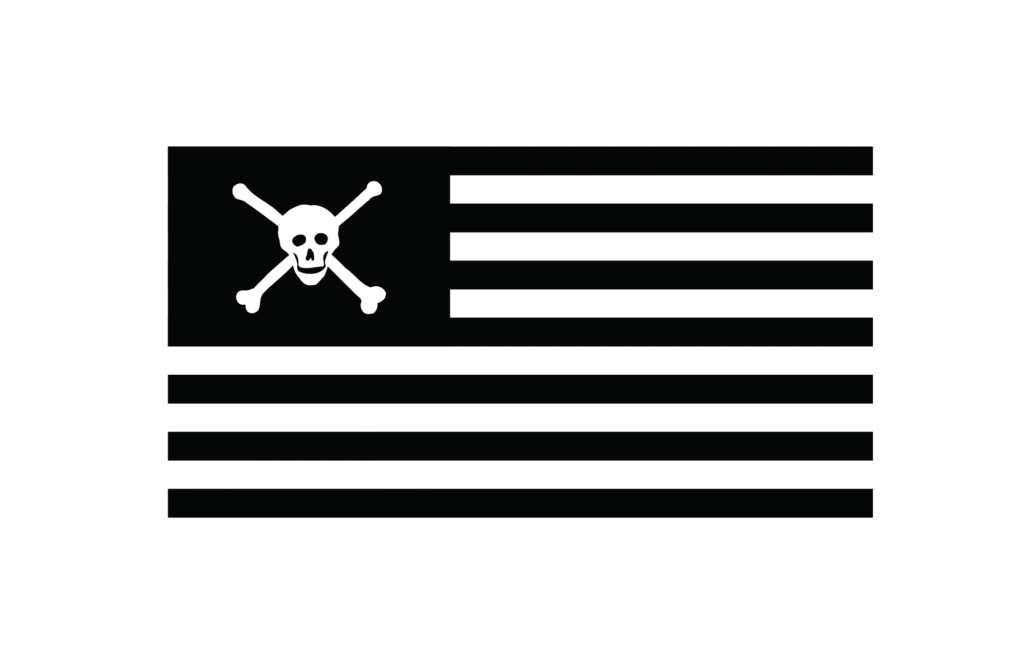
Description and Historical Context
The image is a brilliant détournement of the Stars and Stripes: the traditional red-and-white stripes become black and white, evoking mourning or moral inversion, while the Jolly Roger supplants the stars, symbol of unity and aspiration. Vincent Moro has frequently manipulated national flags—recall his This is Not a Game (2001), in which the American flag is depicted as a toy soldier kit consisting of various heavy weapons and a series of dead bodies, or anti-war installations such as “Peace from Above” and “Imported Democracy“, from the Department of Control series (2014)—to denounce nationalism as a cover for violence and exploitation and fuel for imperialist policies. This work belongs firmly to his long-standing critique of Western imperialism and has been created in direct response to the geopolitical events of late 2025 and early 2026.
Symbolic Reading
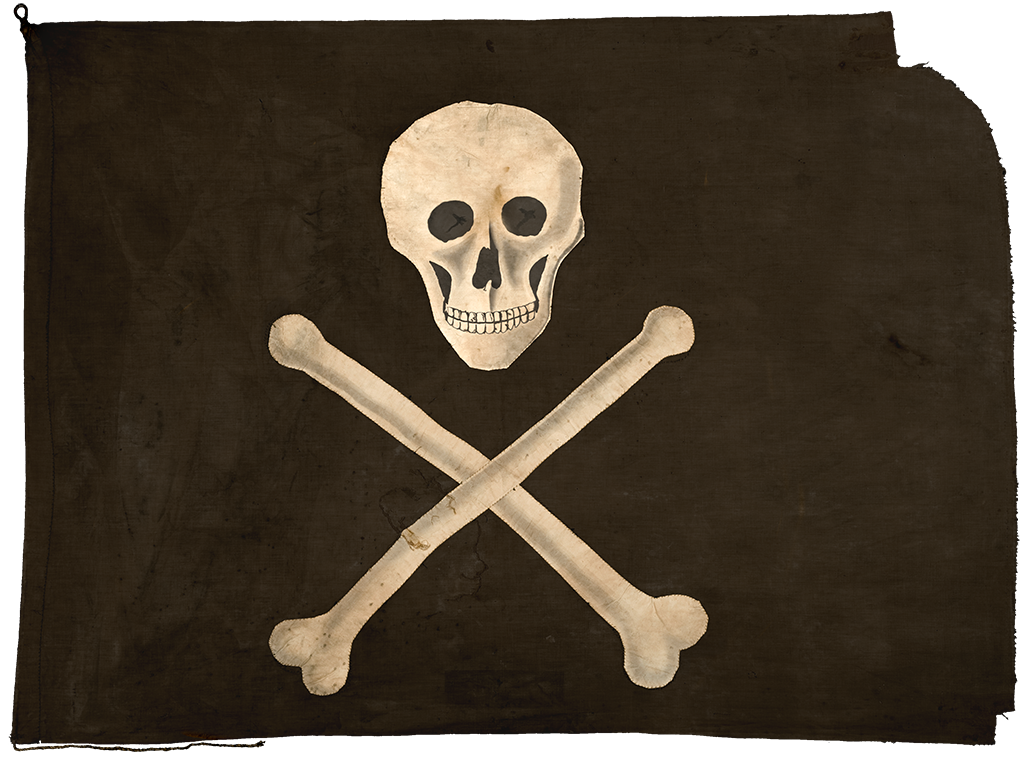
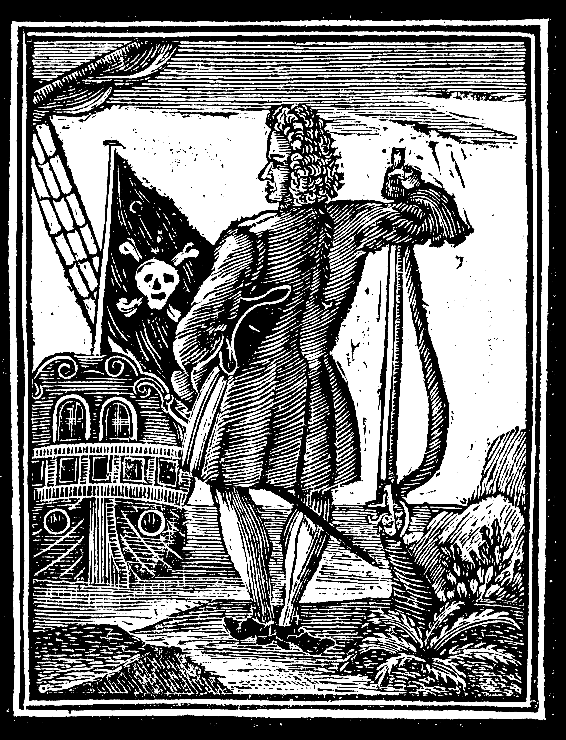
The title United Pirates of America is a masterstroke of nominative détournement. By replacing “States” with “Pirates,” Moro parodies the very nomenclature of the nation-state, turning the official, grandiose name of the country into the self-description of a rogue consortium of armed raiders operating under the color of sovereignty. Symbolically, the Jolly Roger recasts the United States as a “pirate nation” par excellence: an entity that plies international waters and territories not to defend democratic ideals, but to plunder resources, seize strategic assets, and impose dominance through force. The dominant black palette evokes moral darkness—an America that has abandoned its Reagan-era “shining city on a hill” mythos and openly embraced predatory behavior. Moro deploys irony to subvert: the flag, the ultimate emblem of liberty, is transformed into a banner of terror, forcing viewers to confront how patriotism can conceal economic and military aggression. Curatorially, the piece invites reflection on the fragility and manipulability of national symbols, blurring the line between heroic exceptionalism and state-sanctioned banditry.
Connection to Recent Developments in U.S. Foreign Policy
In the context of American foreign policy developments during 2025–2026 under the second Trump administration, Moro’s United Pirates of America takes on an almost prophetic urgency. The 2025 National Security Strategy emphasizes an “America First” approach that prioritizes economic interests and “peace through strength,” while scaling back involvement in distant conflicts and reinforcing dominance in the Western Hemisphere. This framework redefines national security around the “health and cohesion of the republic,” elevating economic spheres and stepping away from the post-war liberal order.
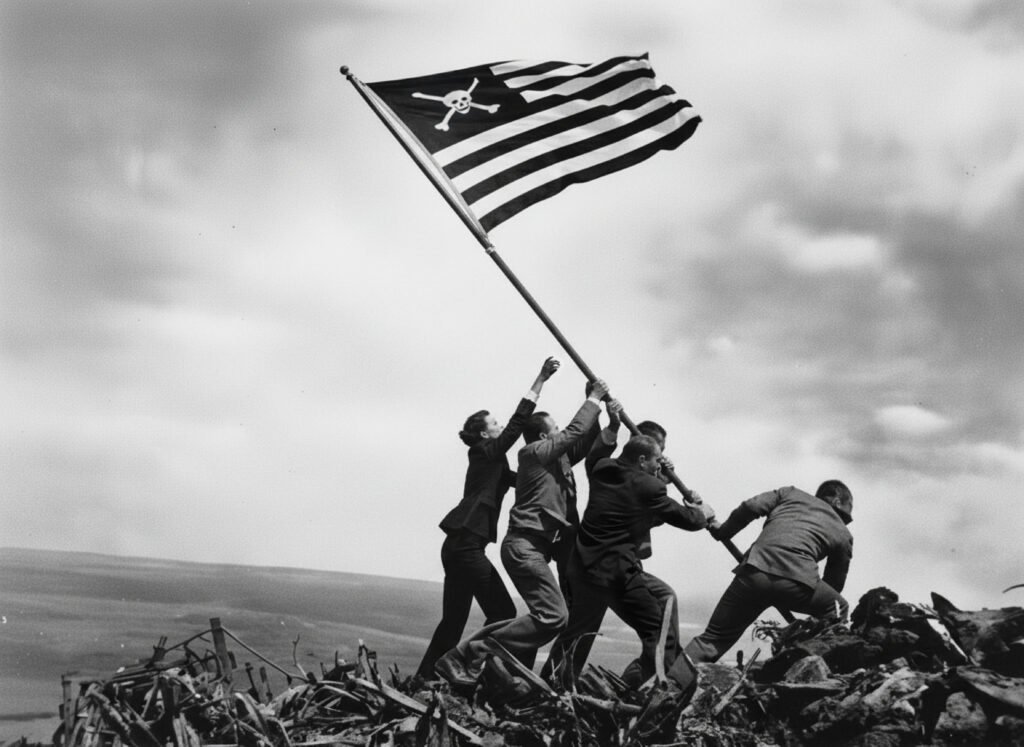
The work resonates most powerfully with the January 2026 invasion of Venezuela, where U.S. special forces captured President Nicolás Maduro in a nighttime operation justified as a means to secure oil resources and counter economic threats. Widely described by critics as an “economic coup d’état,” the action perfectly embodies the “piracy” encoded in the title and imagery: a unilateral intervention that sidesteps international law, focused on “safeguarding Venezuelan oil revenues for the benefit of the American and Venezuelan people,” as stated in the subsequent executive order. Moro’s satire appears to anticipate—and name—this autocratic turn, in which U.S. foreign policy abandons a “rules-based order” for naked military and economic power.
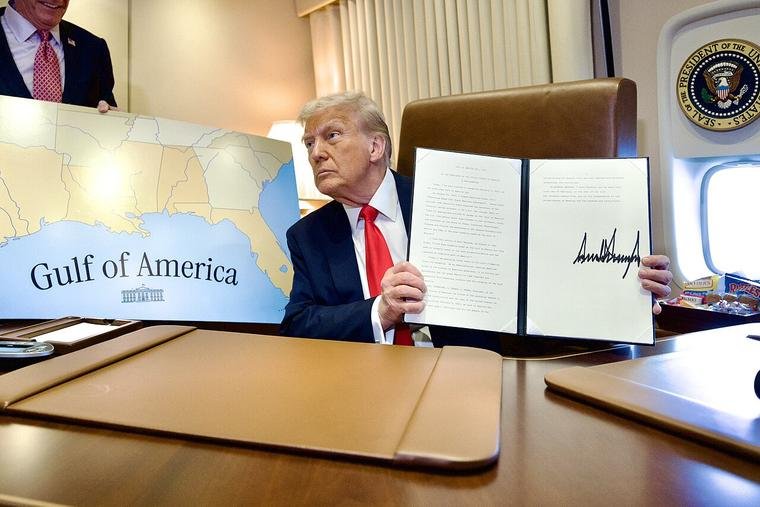
Other developments reinforce this reading: Operation Midnight Hammer against Iranian nuclear sites in 2025, which degraded Tehran’s program but escalated regional tensions; the Trump-brokered end to the Gaza war, normalizing relations with several Arab states while drawing criticism for sidelining Palestinian rights; expansionist rhetoric toward Greenland, interpreted as an extension of an aggressive “Donroe Doctrine.”
In this landscape, United Pirates of America critiques an America that, while proclaiming “peace through strength,” behaves like a global buccaneer—seizing “prizes” (oil fields, strategic assets, regime heads) under color of law, then redistributing the spoils to its own citizens and allies while framing the action as liberation or stabilization. The title lands with particular force in the wake of the Venezuela operation: it reads like the name of a rogue micronation dreamed up by edgelords… until one realizes that, in the current geopolitical mood, a not-insignificant portion of commentators might wear it as a badge of pride.
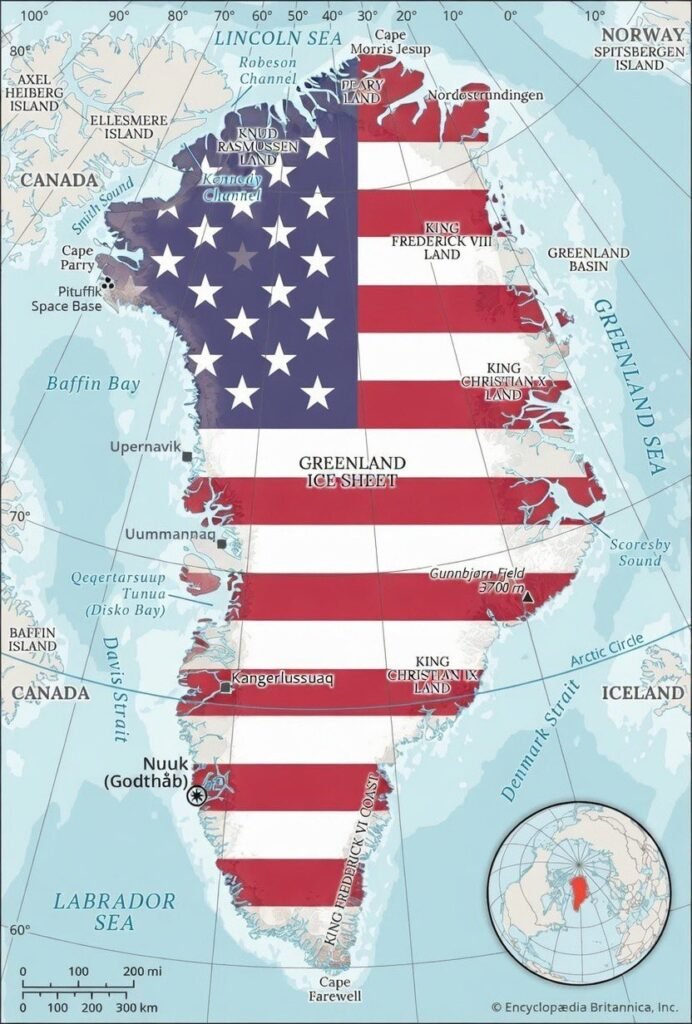
Far from being a dated critique, United Pirates of America in January 2026 stands as an urgent warning against the erosion of multilateralism. Moro reminds us that art can demystify power, turning a flag into a grinning skull that mocks the contradictions of American hegemony. In an age of renewed “cowboy diplomacy,” this piece aims to be an essential act of visual resistance, a spur to understanding how foreign policy both shapes—and is shaped by—contemporary culture.
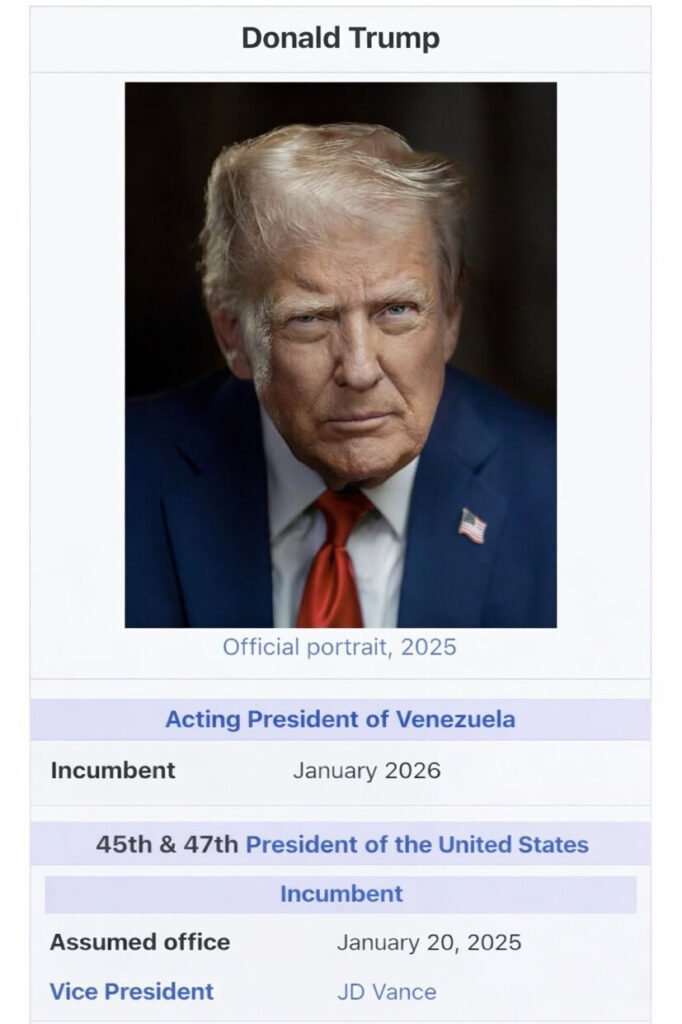
An invitation to spread the massage
The title also makes the work profoundly meme-able and shareable in digital space—a quality Moro has always understood. It practically begs to become a profile banner, a sticker, a stencil, a protest placard. That viral potential is part of its power: the artwork doesn’t merely criticize; it hands the critic a ready-made, devastatingly concise brand name for the thing being criticized. For this reason, a vector version of the artwork ‘United Pirates of America’ is available for download and use in accordance with Creative Commons CC BY-NC-SA 4.0 terms of use.